
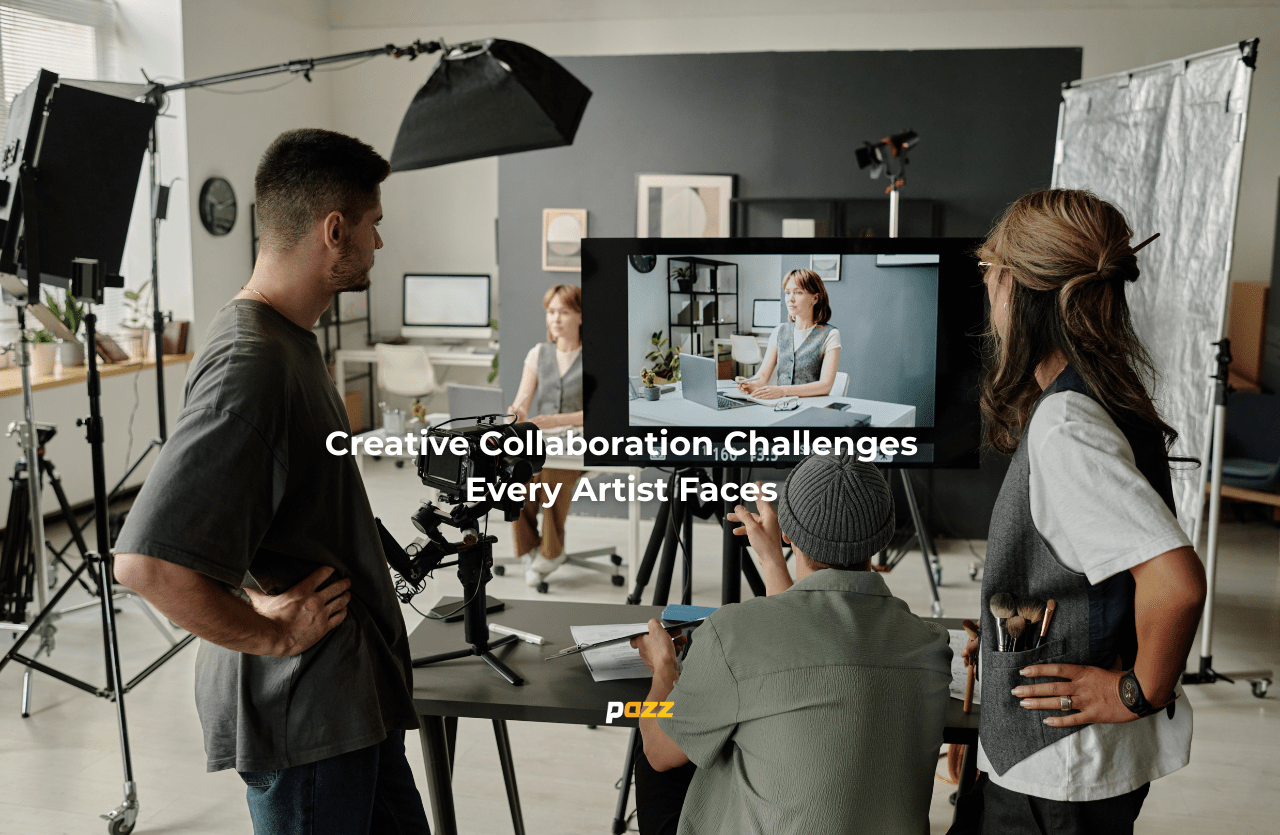
Creative collaboration challenges affect every artist at some point. You begin a project full of excitement, find teammates who seem promising, and imagine everything coming together with ease. Then reality sets in. Meetings stall, expectations clash, or the energy simply fades. These struggles are familiar to filmmakers, musicians, theater makers, and many other creatives.
This blog shares insights from professionals in these fields about why finding the right collaborator often feels harder than it should, and why understanding the root causes is the first step toward building more rewarding partnerships.
Supply and demand mismatch
The creative world is full of talented people, yet the number of well-paid projects is very limited. Many creatives turn to unpaid or low-paid projects to build experience and portfolios. These projects can be just as serious as funded ones, but the lack of payment sometimes makes participants less committed or more likely to treat them as experiments. Audiences also tend to underestimate unpaid or low-budget work, which adds another layer of difficulty. This imbalance creates a space where commitment levels vary widely, making it harder to identify collaborators who truly match your goals.
Different incentives
Not everyone joins a project with the same goals. One collaborator may want to push artistic limits, another may be focused on fast delivery, and someone else may simply want to learn. When these motives do not align, conflict arises. A filmmaker seeking strict professionalism might clash with an actor who prefers open exploration. Clear conversations about expectations at the start can prevent many of these problems.
The limits of portfolios
In creative work, portfolios matter, but they rarely tell the full story. A reel, track, or photo series shows the end result, not how the person contributed within the team. Was this creative leading the project, focusing on one specific task, or supporting in a smaller role? Without that context, it is easy to make assumptions that later cause problems.
This is why showing more than the final product matters. Sharing process notes, role descriptions, and testimonials helps others understand not only what you created but also how you worked with others. For collaborators, paying attention to these details or asking directly can make all the difference in finding the right fit. A polished portfolio is valuable, but clarity and openness are what build real trust.
Communication norms
Every creative team develops its own way of communicating. Some prefer structured tools, scheduled check-ins, and written briefs. Others rely on casual chats, voice notes, or late-night texts. When styles clash, projects lose focus. Deadlines blur, updates slip through the cracks, and frustration builds. Setting a clear method of communication at the start helps everyone stay aligned and reduces misunderstandings.
Role ambiguity
The phrase “we’ll figure it out as we go” may sound flexible, but it often creates chaos. Without clear roles, tasks overlap or get ignored. Two people may think the other is handling casting, editing, or promotion, and progress stalls. Defining responsibilities early might feel restrictive, but in reality it frees up energy for the art itself. Structure is the foundation of creative freedom.
Money conversations
Within communities, collaborators are often open about what they can or cannot pay. It is common to state upfront if a project is unpaid, which helps set the right expectations from the start. This honesty avoids misunderstandings and allows people to decide if they want to join for growth, experience, or community.
At Pazz, we take this even further with a booster program that supports members in financing their films. This transparency and support create an environment where budget discussions feel less intimidating and more like part of the creative process.
Burnout and side projects
Finally, the reality is that many creatives juggle side jobs, personal commitments, or multiple projects at once. What starts with great enthusiasm can fade as people run out of time or energy. Burnout and shifting availability are not signs of bad intentions, but they do make reliability fragile in creative circles. A collaborator may want to give their best, but simply cannot sustain the workload.
Closing
Creative collaboration challenges are real, but they are not insurmountable. By understanding the causes, you can set expectations, ask better questions, and create simple structures that keep projects on track. That is what we aim to build as a community: a place where filmmakers, musicians, photographers, and theater makers connect with more transparency, trust, and joy. Because with the right team, everything changes.
Kommentar verfassen